
Shadows and Secrets: The Infiltrator of Kanha's Monsoon Night
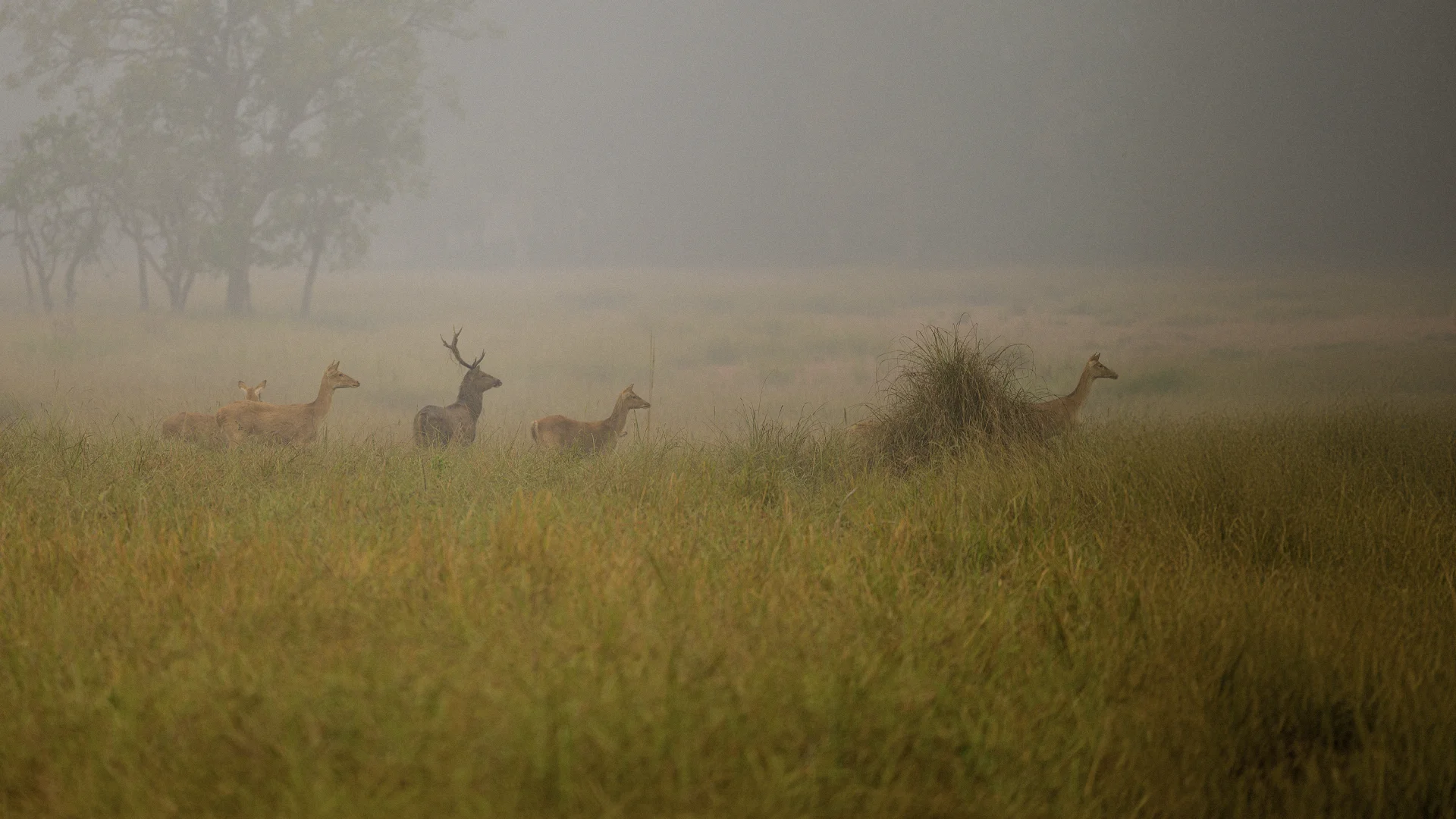
The monsoon in Kanha transforms the jungle into an entirely different world. While tourists flock here for the tigers and iconic megafauna during the winter and summer seasons, rainy season awakens a hidden universe - a micro-world of extraordinary creatures that most people walk right past without a second glance.
Last week on a quiet humid night, I stepped out with my camera, to explore the macro-world within Outpost 12. The lodge ground offers a rich biodiversity for the macro photography during this time of the year.
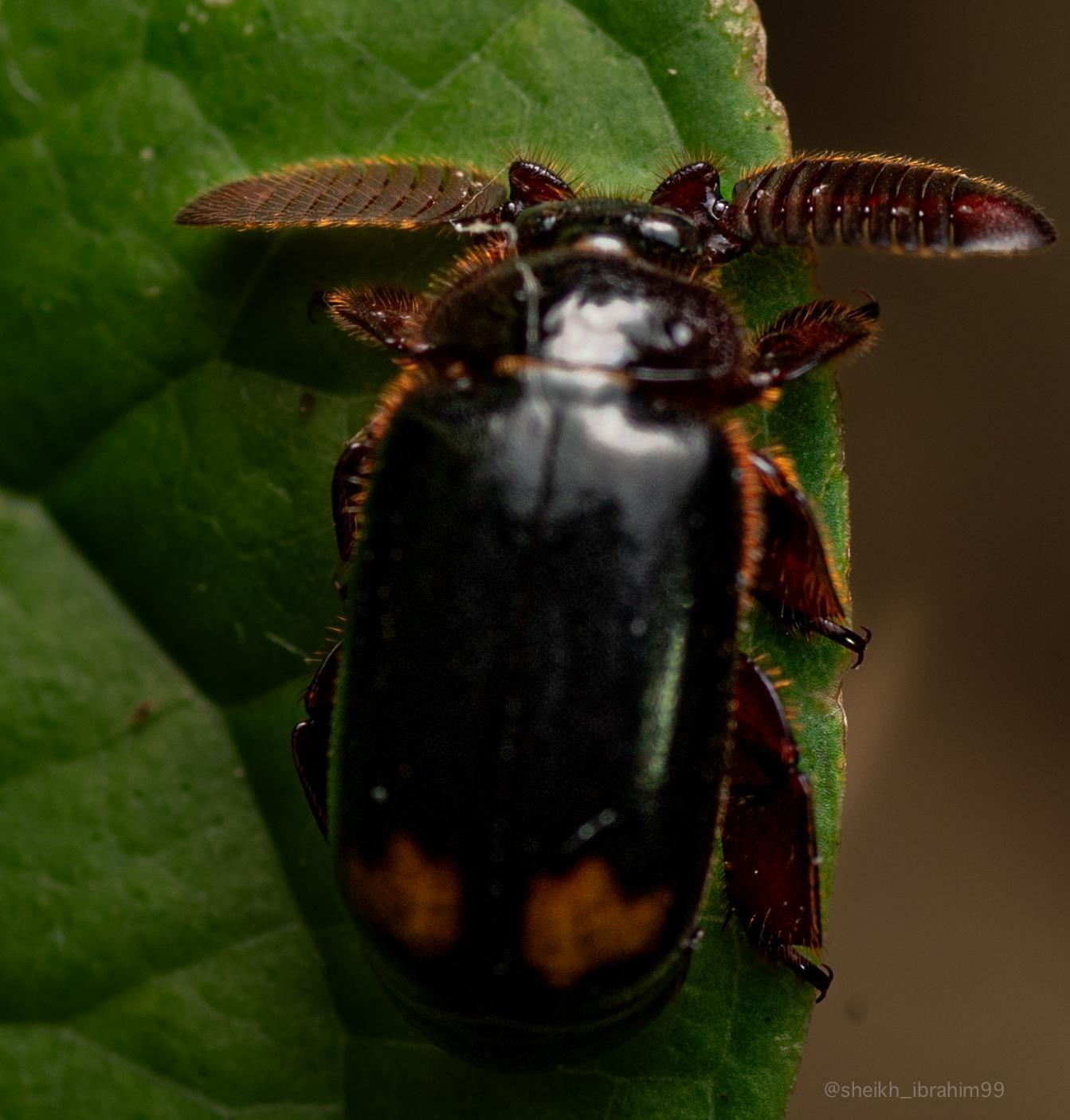
I swept my flashlight across the leaves, looking for small life forms to photograph and appreciate. Then suddenly, I stopped because I saw a beetle nicely sitting on the leaf near the pathway light. A beetle unlike anything I had ever seen before.
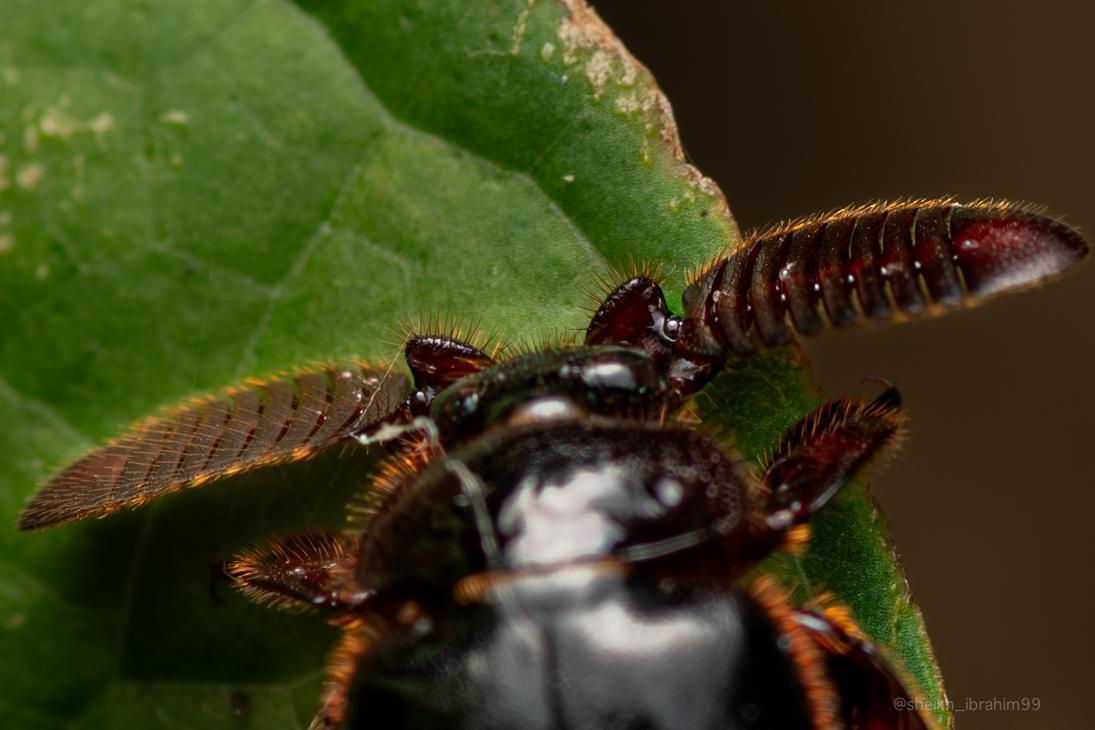
Its most striking feature were its head and paddle-like antennae.
I took photos and zoomed in on the camera display. The intricate texture of those feathery paddle-like antennae were stunning. After photographing I came back to office because I was very keen to know about this beetle.
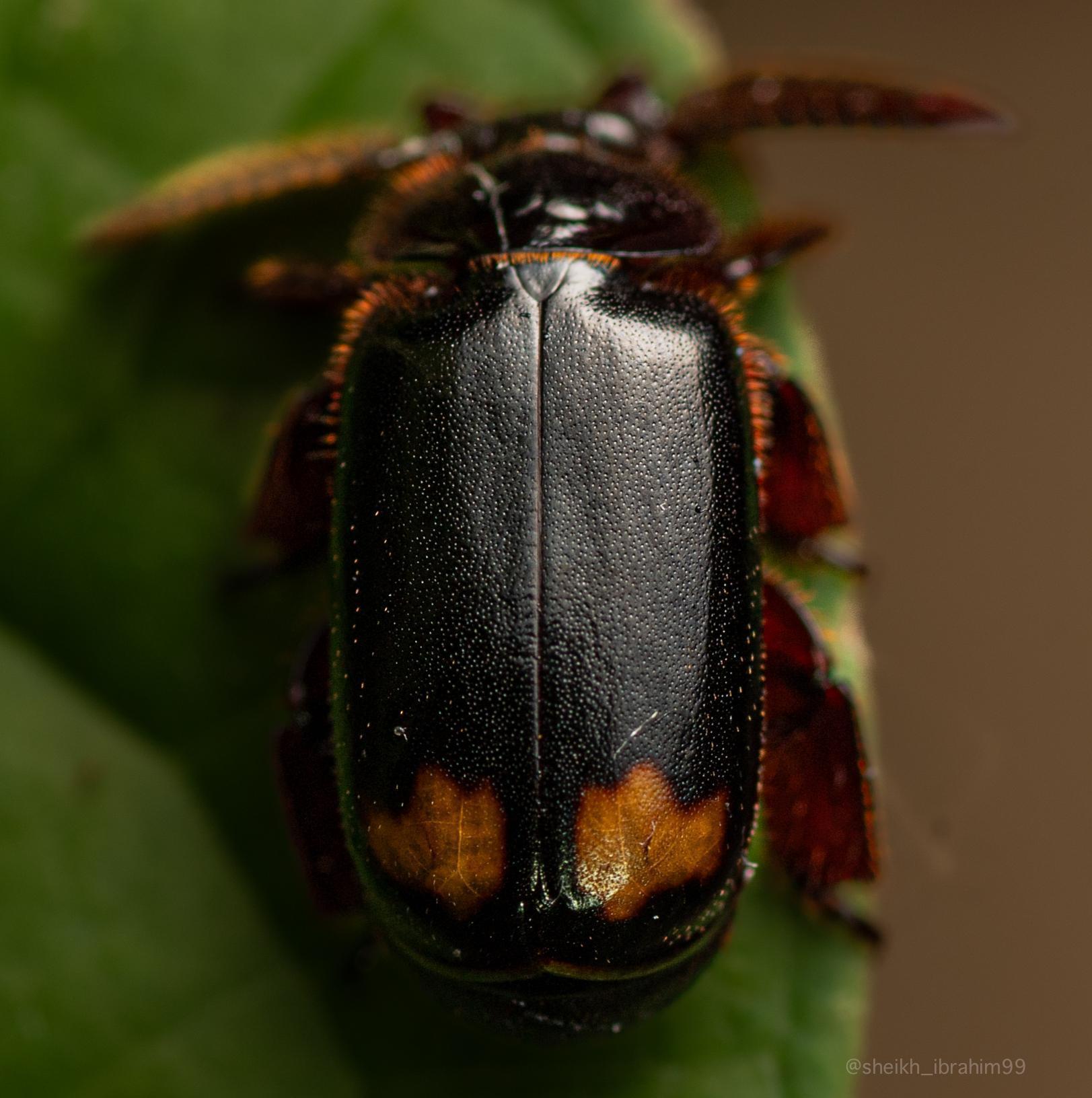
Upon identifying it, the story became even more surreal. This was Cerapterus latipes, an Ant-nest Beetle.
They live underground, hidden deep within aggressive ant colonies. But how does a beetle survive inside a dark, highly defended fortress filled with thousands of aggressive ants armed with mandibles? Why don't the ants swarm and tear it apart?
The secret lies in high-level chemical deception. The ant nest beetle is a master infiltrator. It secretes specialized chemical pheromones that mimic the exact odour profile of the host ants. Ants greedily lick up these secretions, which suppresses their normal predatory aggression and prompts them to accept the beetle as a nestmate.
The ants are tricked by this smell; even the guard ants accept the beetle as one of their own. Also, the wide, robust, and flattened design of the antennae serves a practical purpose. Ants routinely use these broad antennae as physical "handles" or levers to drag and carry the beetle safely into the depths of their chambers.
Also, it is believed that the beetles use an acoustic mechanism to successfully imitate the sound of the ant queen thus permitting them to access the nest without alarming its inhabitants.
The colony carries on while the beetle slowly feeds on ant larvae with the worker ants around it.
If by any chance this beetle gets caught or feels threatened it has a very unique defence mechanism. They have a kind of boiler machine of chemicals inside their body. If they feel threatened, they mix two chemicals and spray boiling chemicals (100°C/212°F) on the enemy for defence. This explains its alternative name, the Flanged Bombardier Beetle, despite it not being closely related to the true bombardier beetles.
That evening, standing under the dark, dripping canopy of Kanha, looking at the tiny beetle on my camera screen, I realized how much magic stays hidden in plain sight. The jungle isn't just about the apex predators roaming the roads, it's also about this quiet, incredible imposter living inside an ant hill right beneath our feet.
Follow Ibrahim - @sheikh__ibrahim99