BOOK NOW

WORKSHOPS, PHOTO TOURS, NATURALIST TRAINING, RESEARCH, DOCUMENTARIES & MORE...

Sinali takes many forms, collects many passions. With a beautiful riverside wilderness lodge (Outpost 12) at Kanha in India's jungle heartland, curating experiential tours and trails across some of the most fascinating terrains, working with diverse indigenous communities to curate a world that stays rooted in its origins - the world of Sinali is one where all hands are on deck and the heart is in the right place.

Recent Posts

The Night Stalker of Central India

The Night Stalker of Central India

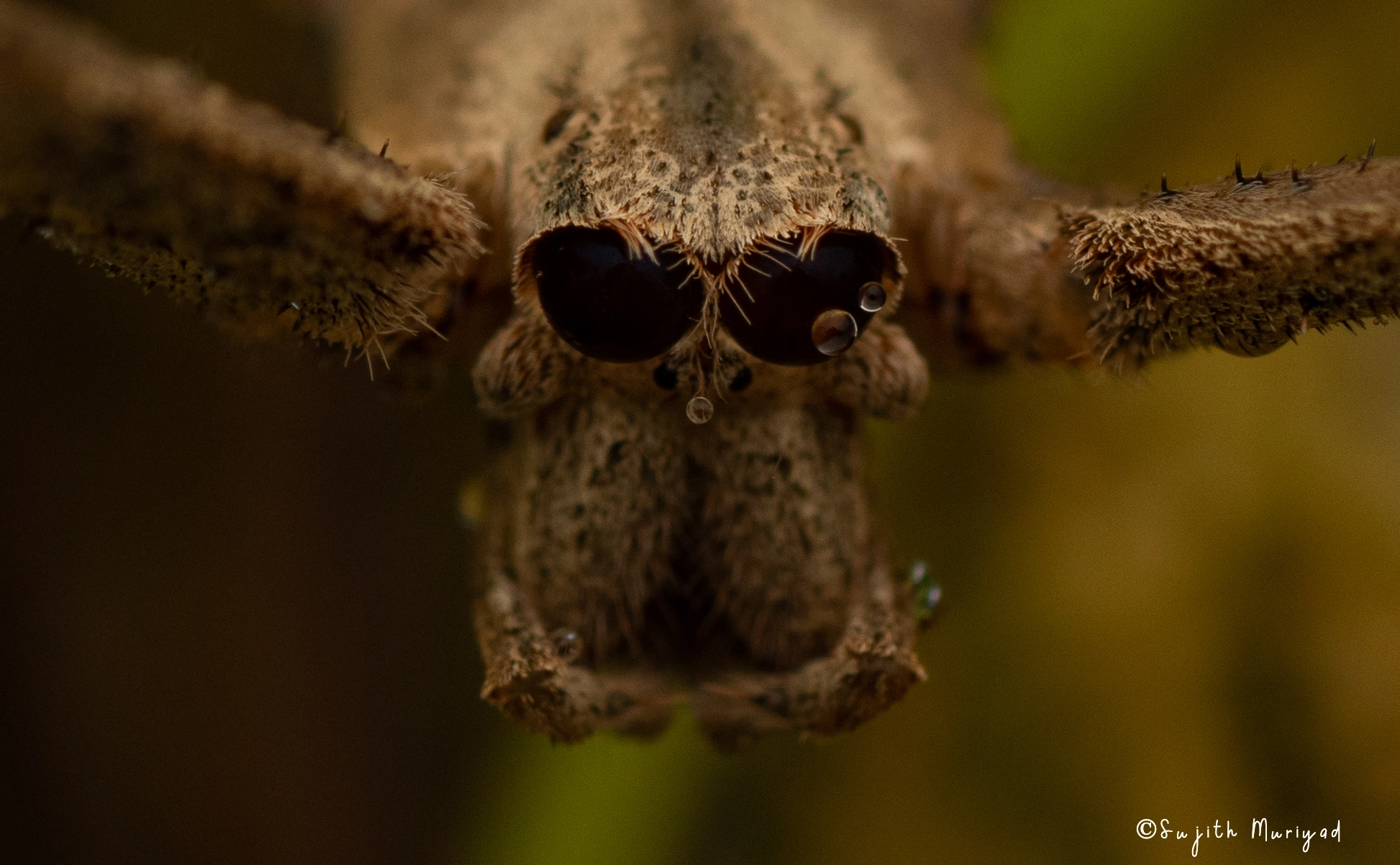
My First Encounter with the Net-Casting Spider In Outpost 12, Kanha.

While I usually start my "spider talks" with the legendary Portia jumping spider, there is another arachnid that truly pulled me into the world of spiders: the Net-casting spider (Asianopis). This species consistently amazes me with its specialized hunting techniques and masterful camouflage.

Read More


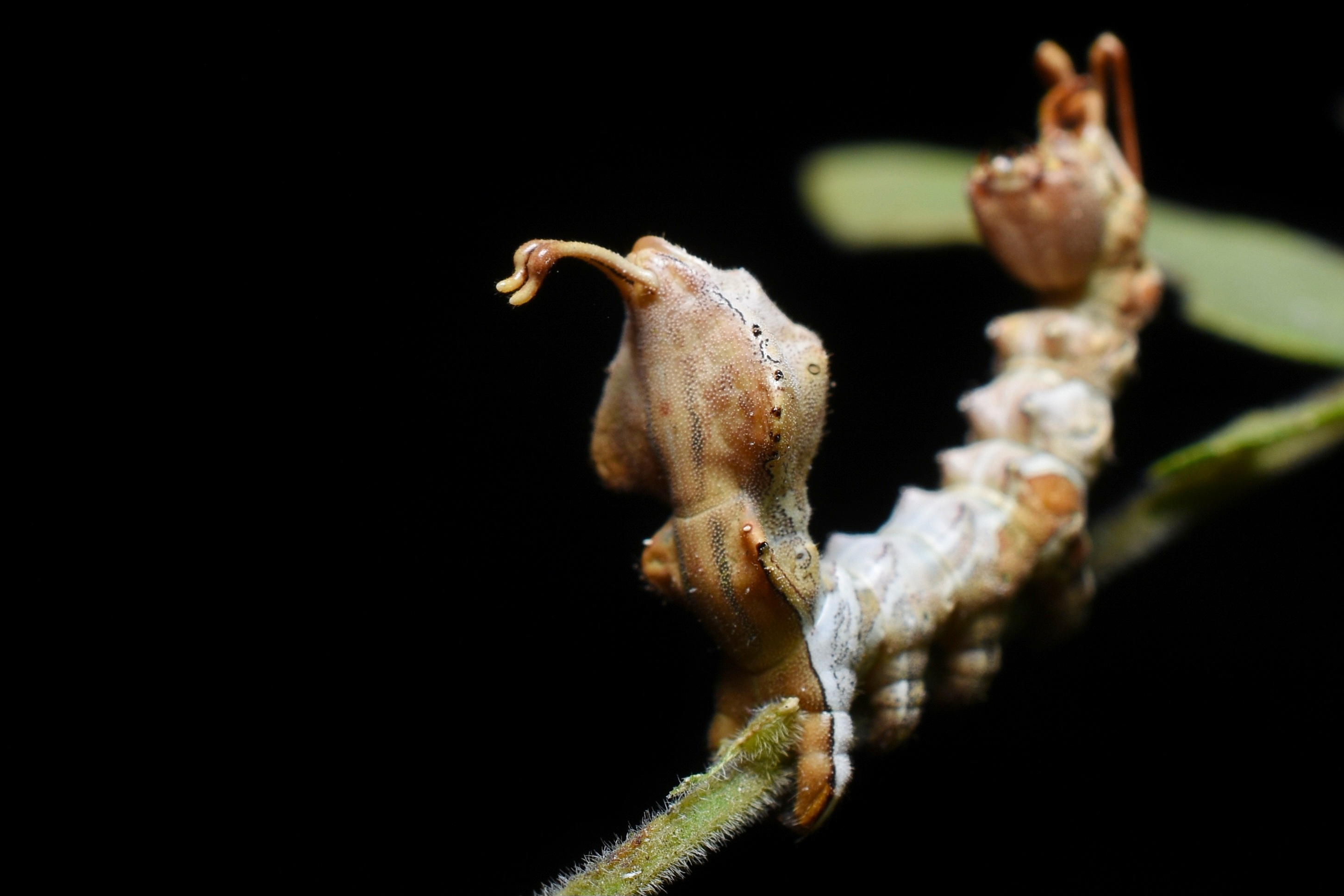
When a caterpillar turns into a spider - a night trail story

When a caterpillar turns into a spider - a night trail story

Night trails at Outpost 12 always carry a sense of mystery. The forest feels different after dark. Quieter in some ways, yet alive with hidden movement. Every step under the dim light reveals something you would easily miss during the day. It was during one such night trail that I came across an unusual creature resting on a leaf, something that didn't quite look like a typical caterpillar.

Read More


Where the night reveals its silent pollinators

Where the night reveals its silent pollinators

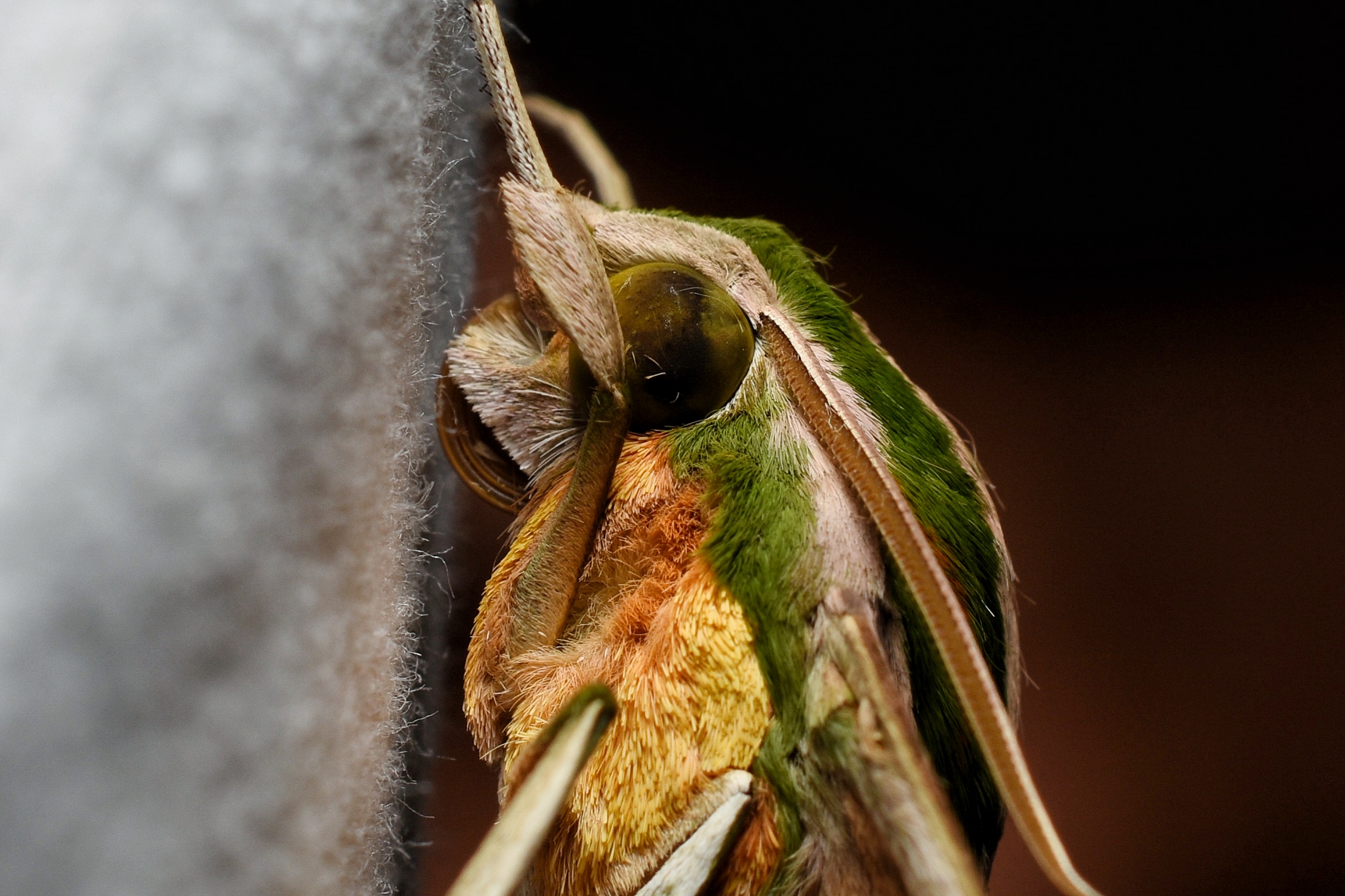
For the past three years, I have been documenting moth diversity across our property, spending many nights observing the incredible variety of species that appear after sunset. While daytime wildlife often receives most of the attention, the forest at night tells another story; one filled with delicate wings, quiet movement and hidden ecological relationships.

One of my regular monitoring sites is Outpost 12, our bio-lodge built with the idea that tourism and biodiversity conservation can exist together. We actively work on protecting its surrounding vegetation, maintain native plant species and limit disturbance to wildlife. Over time, this approach has allowed the property to function as a small but thriving forest patch, supporting a surprising diversity of insects, birds, reptiles and other wildlife.

My moth observations have become a simple but powerful way to measure this biodiversity. Using a light trap during night surveys, I document the moth species that visit the area. Each session brings something new, reminding me that even a small protected patch of habitat can support remarkable life.
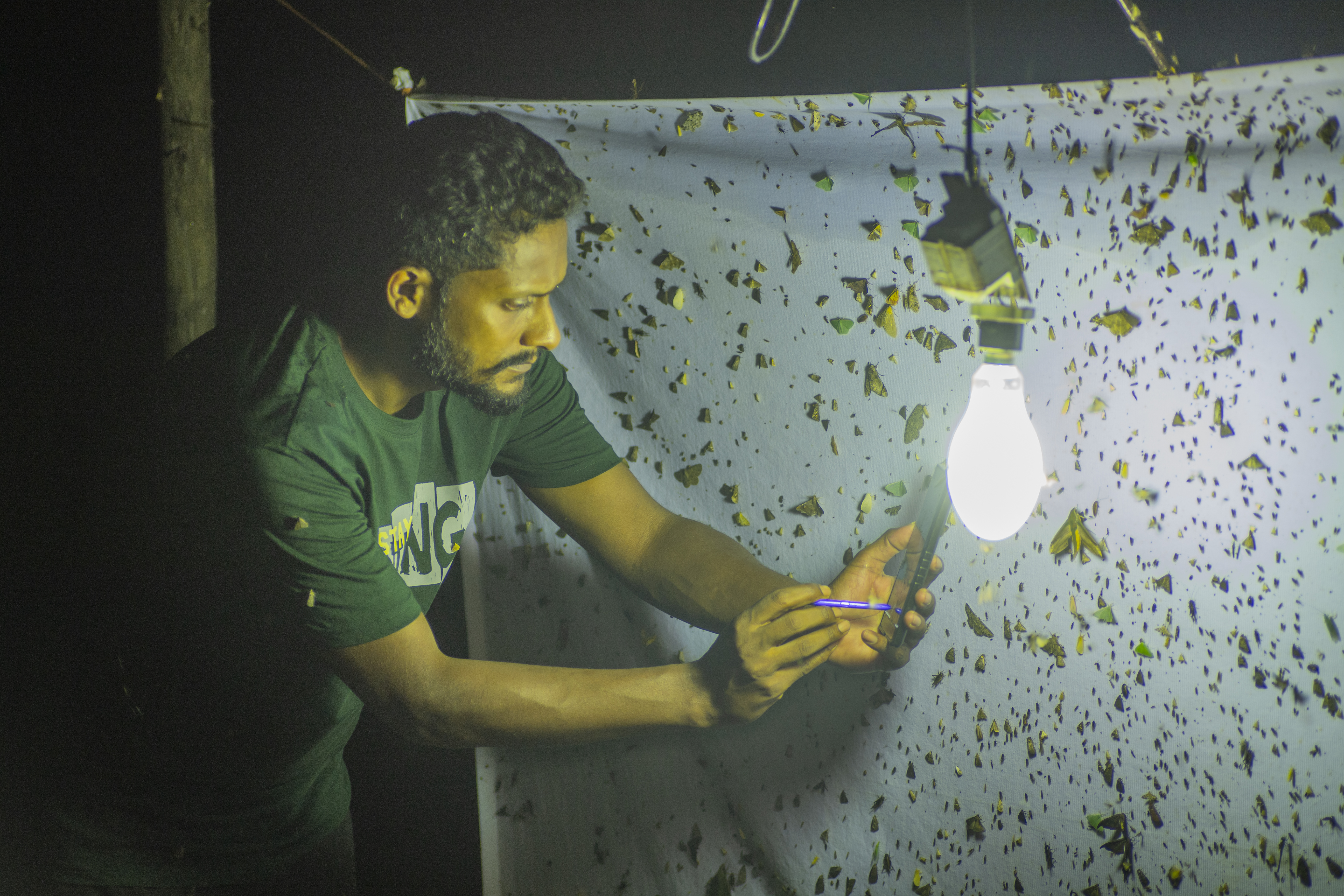
Light Trap

Read More