
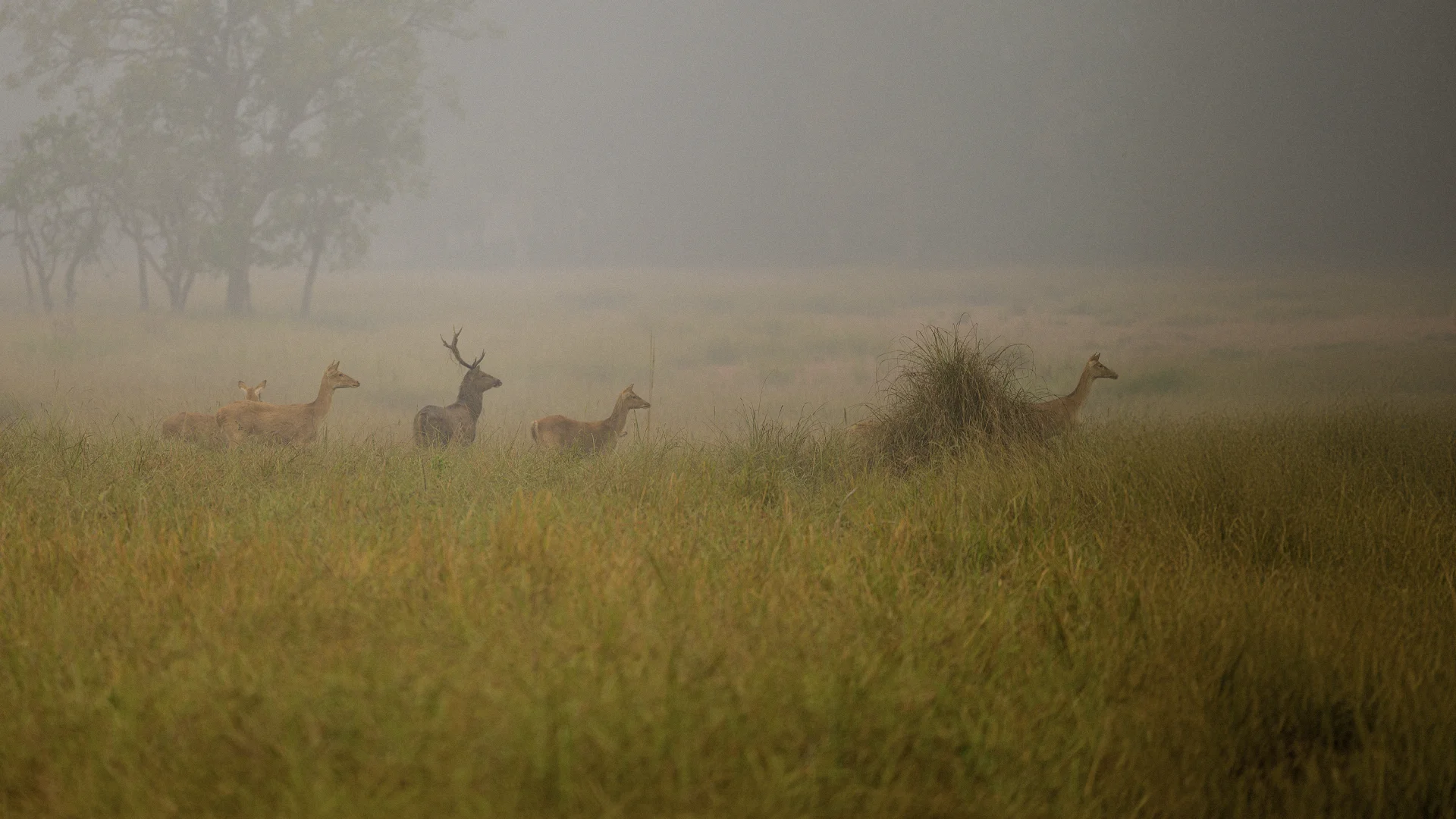
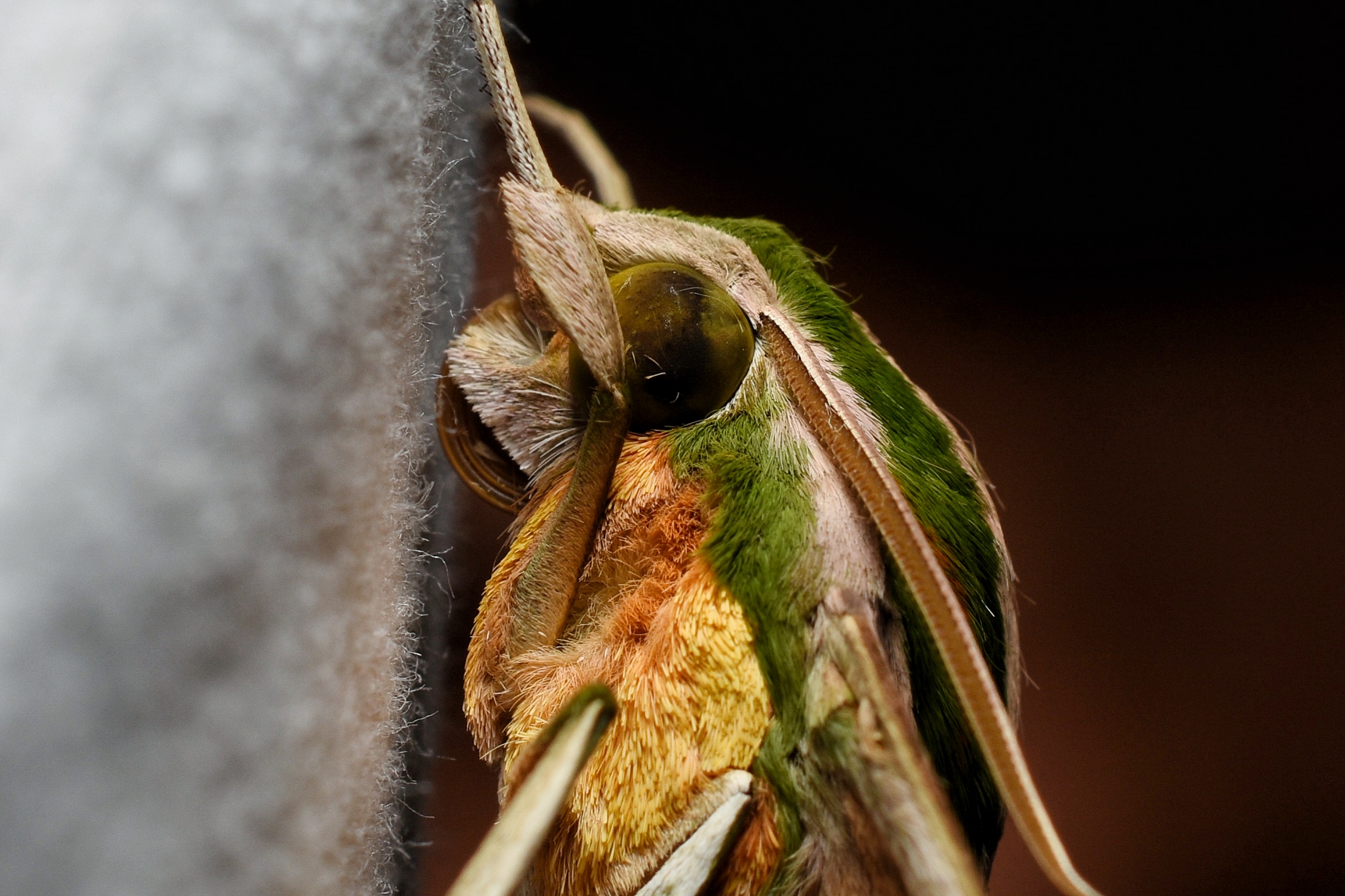
Where the night reveals its silent pollinators
For the past three years, I have been documenting moth diversity across our property, spending many nights observing the incredible variety of species that appear after sunset. While daytime wildlife often receives most of the attention, the forest at night tells another story; one filled with delicate wings, quiet movement and hidden ecological relationships.
One of my regular monitoring sites is Outpost 12, our bio-lodge built with the idea that tourism and biodiversity conservation can exist together. We actively work on protecting its surrounding vegetation, maintain native plant species and limit disturbance to wildlife. Over time, this approach has allowed the property to function as a small but thriving forest patch, supporting a surprising diversity of insects, birds, reptiles and other wildlife.
My moth observations have become a simple but powerful way to measure this biodiversity. Using a light trap during night surveys, I document the moth species that visit the area. Each session brings something new, reminding me that even a small protected patch of habitat can support remarkable life.

Recently, one such night brought several fascinating species to the light. Among them were two members of the Sphingidae family; the Green Pergesa Hawk Moth and the Brown-banded Hunter Hawk Moth. Hawk moths are powerful fliers and are famous for hovering near flowers while feeding, much like tiny nocturnal hummingbirds.
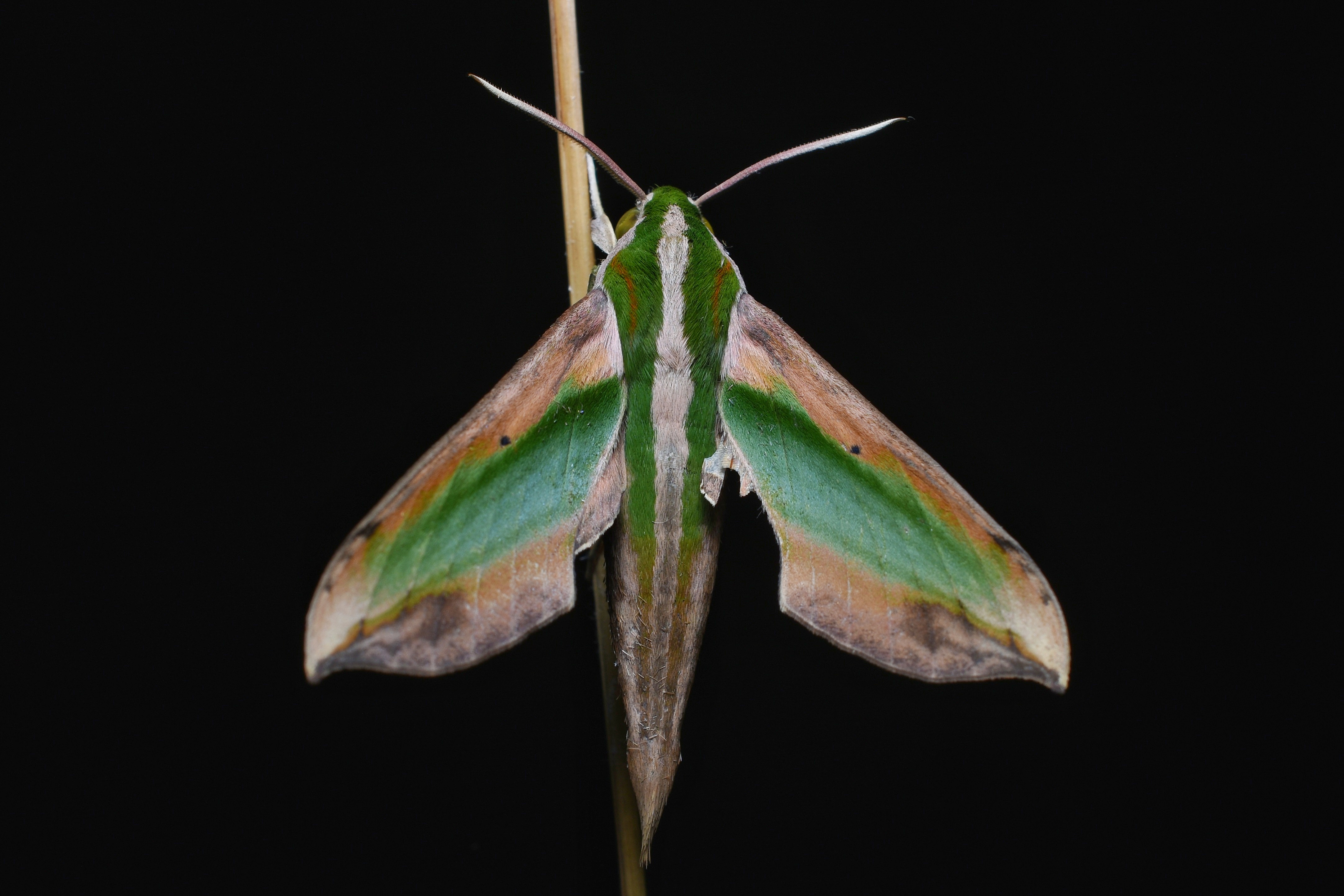
Green Pergesa Hawk Moth
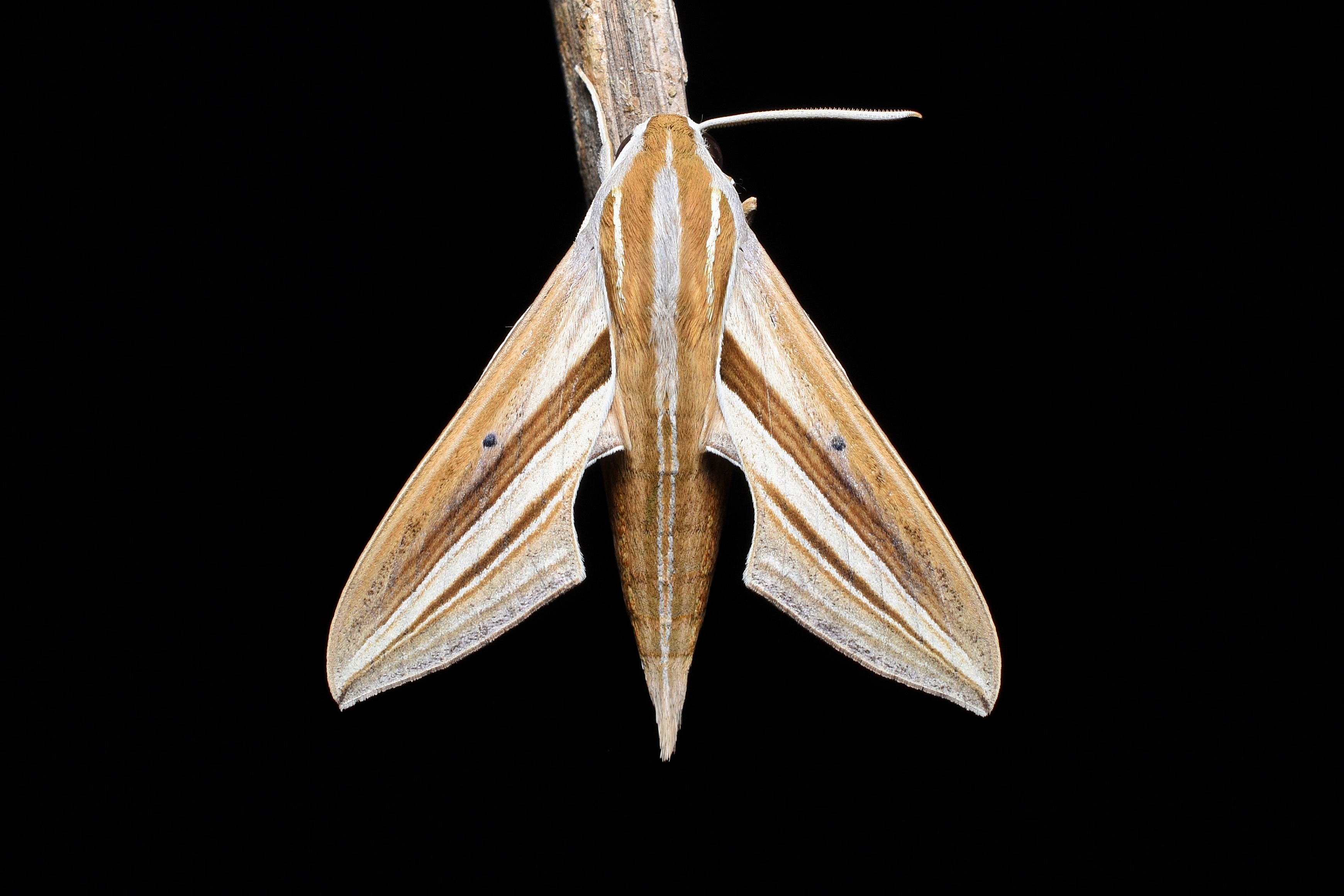
Brown banded Hunter Hawk Moth
Alongside them were moths from the Erebidae family; the Green Drab Moth and the striking Asota ficus.
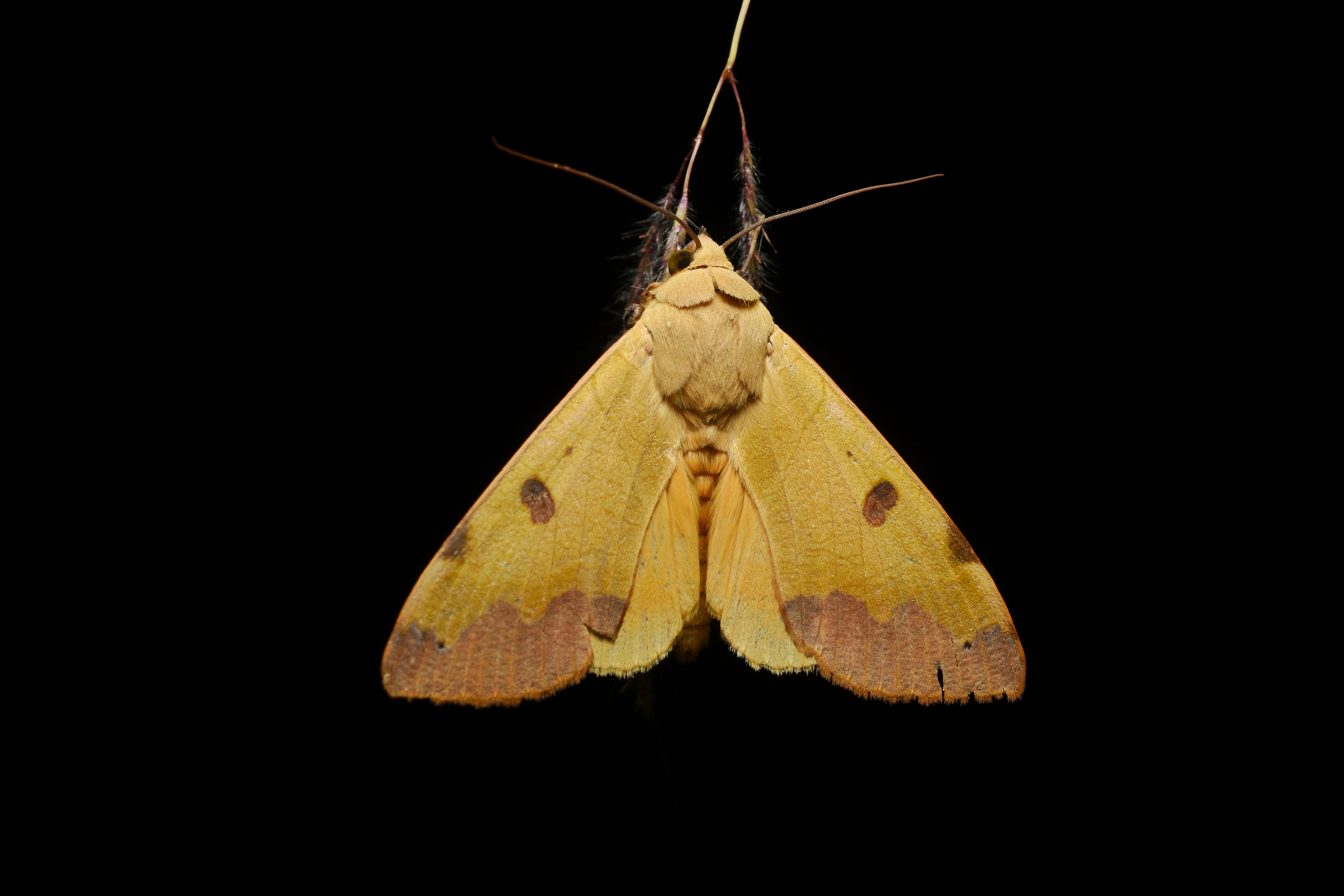
Green Drab Moth
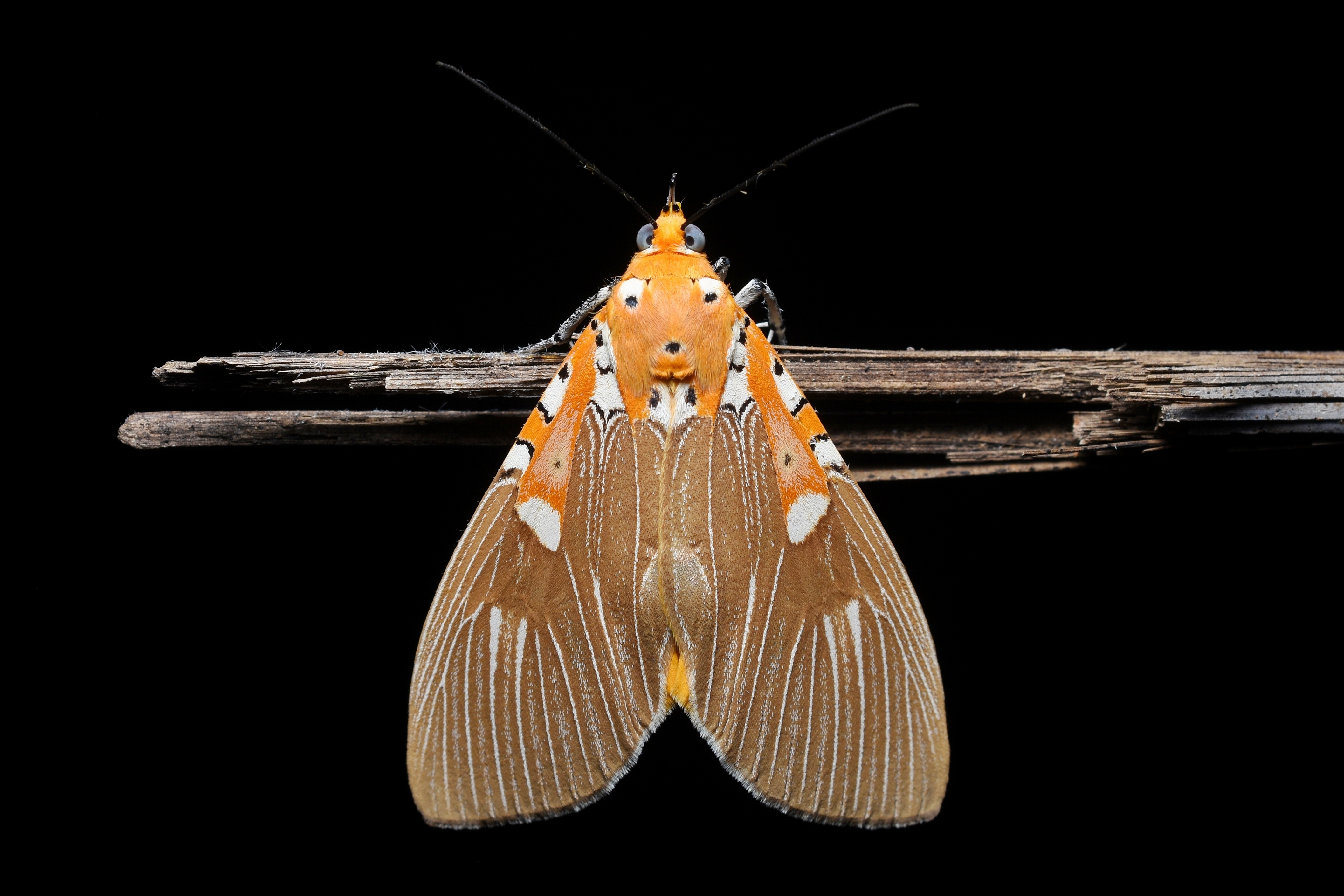
Asota ficus
Many people assume that adult moths exist only to mate and reproduce; and while this is true for some species, many moths possess a delicate feeding structure called a proboscis. This tiny, flexible tube allows them to drink nectar from flowers.
While feeding, moths unknowingly transfer pollen between plants, making them important nocturnal pollinators. When we think of pollination, bees and butterflies often come to mind, yet many plants depend on moths that work silently through the night.
Through close observation and macro photography, it becomes possible to appreciate these small but significant details - the curled proboscis, the fine scales on their wings and the evidence of their role in pollination.
Green Pergesa Hawk Moth Proboscis
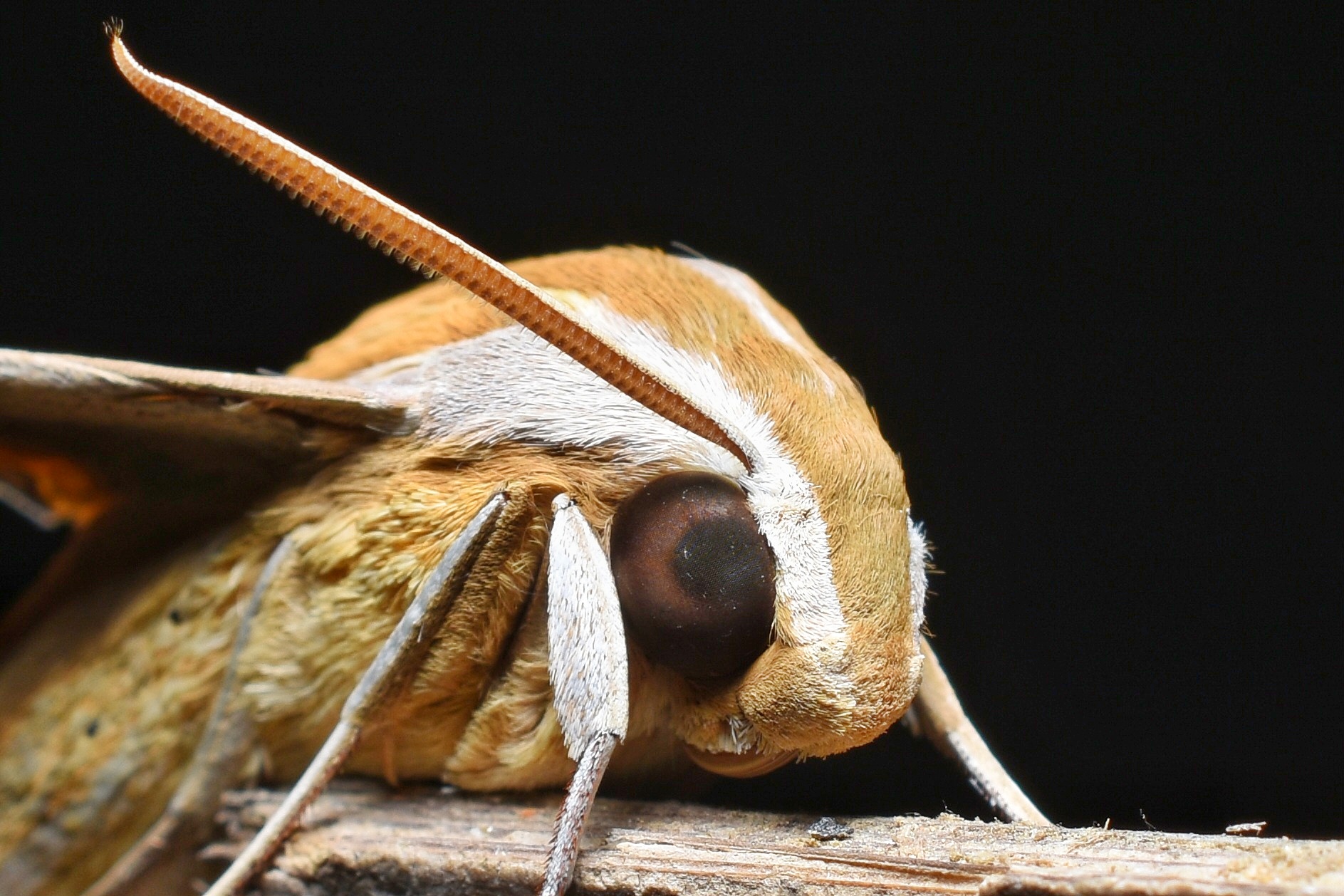
Brown banded Hunter Hawk Moth Proboscis
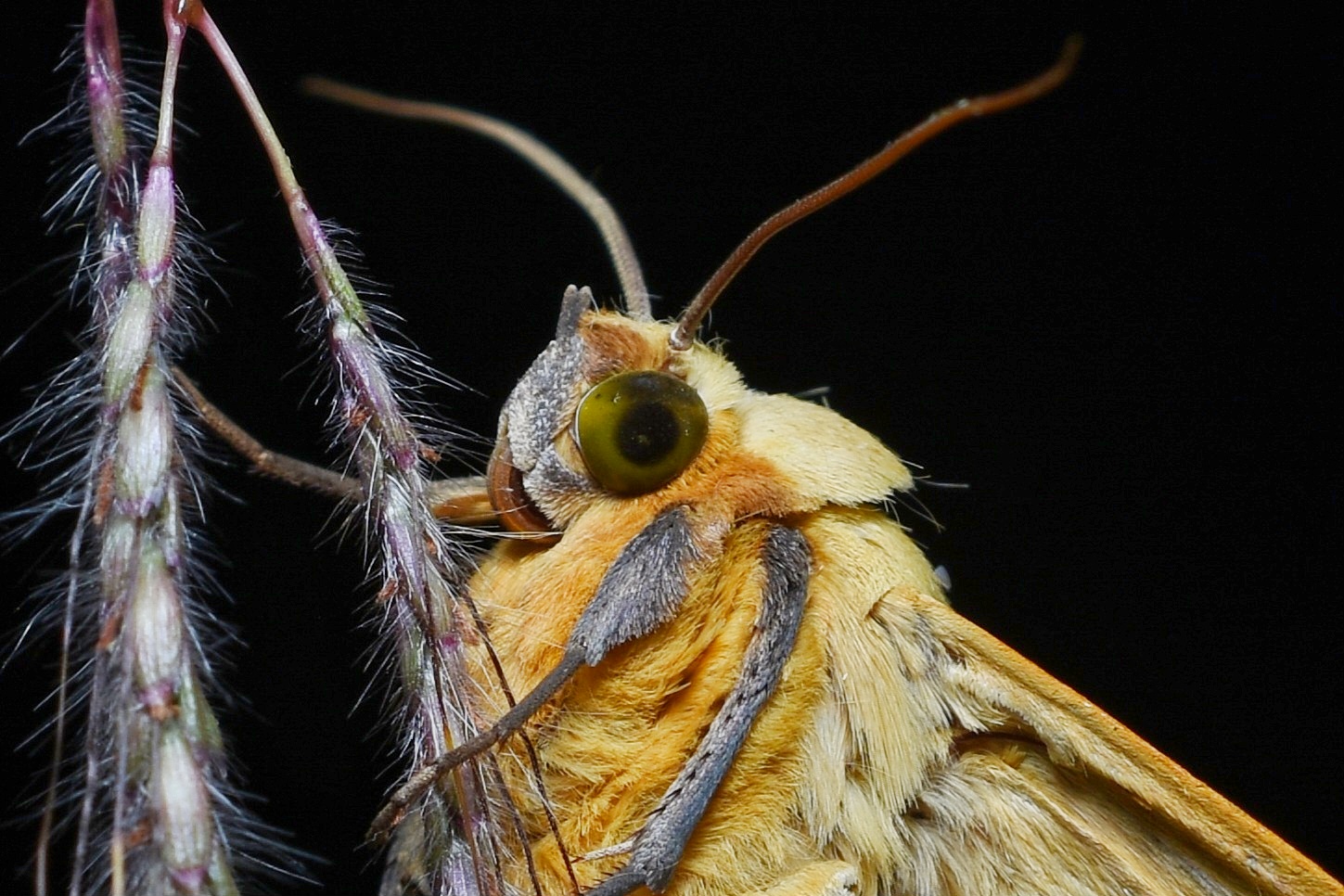
Green Drab Proboscis
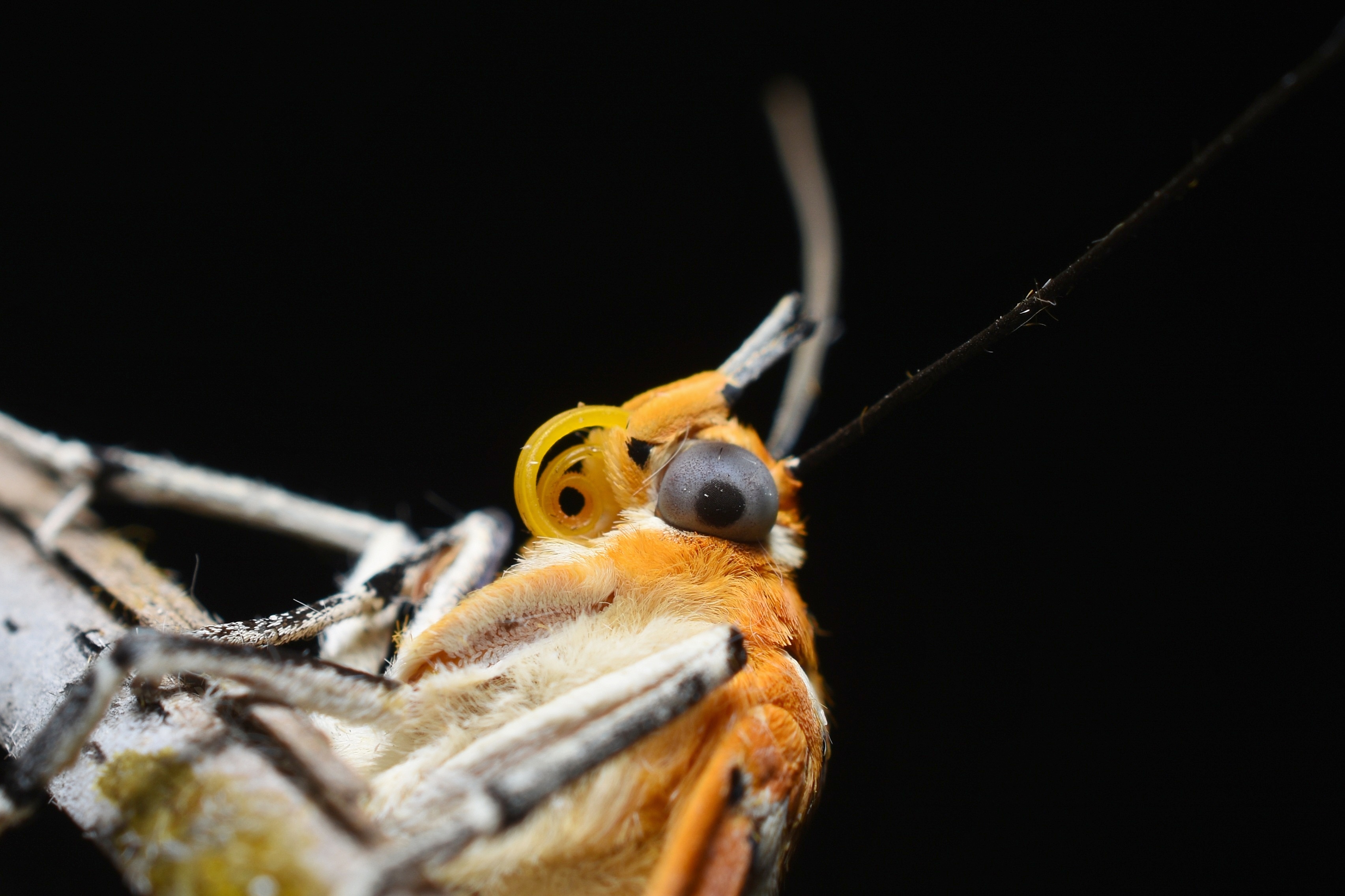
Asota ficus Proboscis
These observations tell a much larger story.
They show that even a small piece of protected land, when managed sustainably, can support complex ecological interactions. The presence of diverse moth species suggests healthy vegetation, flowering plants and balanced microhabitats that support insect life.
In many ways, Outpost 12 stands as an example of how small forest patches and eco-lodges can contribute to biodiversity conservation. By preserving native plants, reducing chemical use and respecting natural processes, such spaces can become refuges for wildlife.
After three years of documenting moths here, I have come to realize that every night reveals something new. The forest does not sleep; it simply changes its cast of characters; and among the most important of these night workers are moths - silent pollinators moving gently between flowers, keeping the rhythm of the ecosystem alive under the cover of darkness.
Follow Ravi - TheBirdPerson