
Canopy Secrets: The Clever Life of the Pandhar Tree
Ever thought much about plants and trees? Compared to animals, which are constantly moving and full of action, they often seem quite boring.
But there is a famous quote: "You think you plant trees for food and oxygen? What if it's the other way around? What if they are farming us? They feed us, give us oxygen, and when we die, they consume us. They definitely outlive us."
Consider how a mango tree calls out to you using aroma and vibrant color, enticing you to eat its fruit and carry the seed far away. At the same time, the reddish blush of the fruit warns off insects that might damage the seed inside.
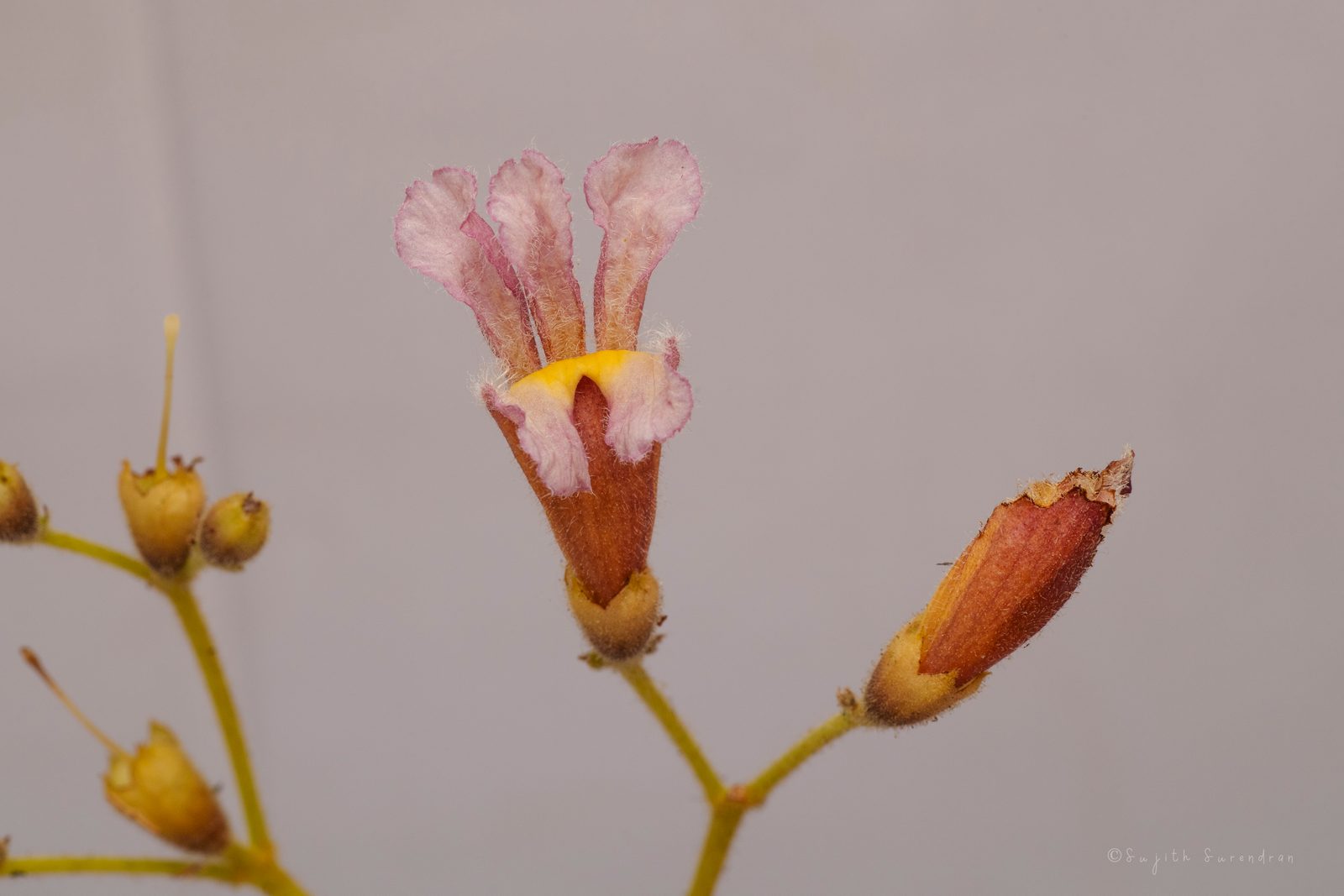
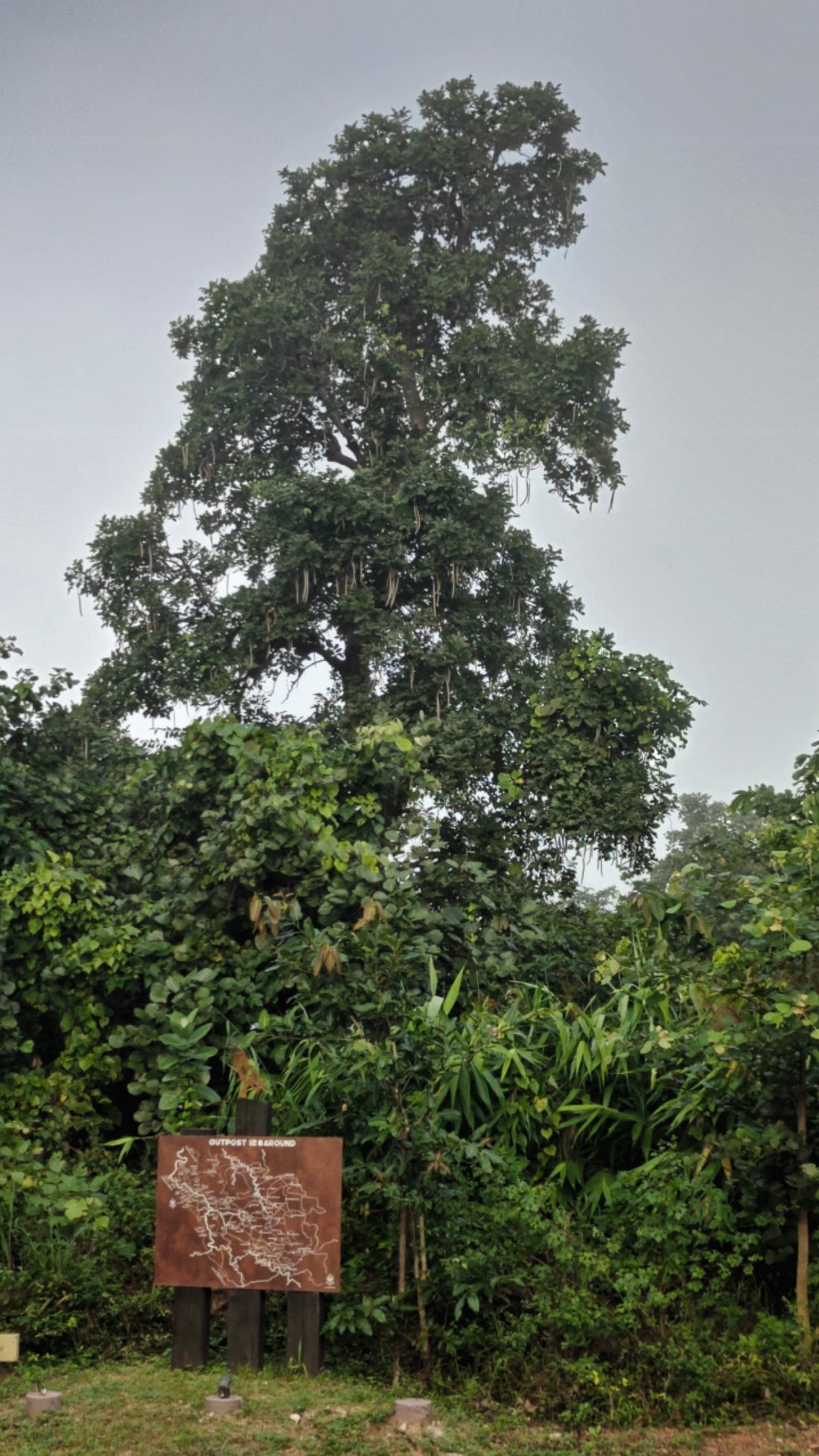
Let's look at the Pandhar tree (Stereospermum chelonoides), a tall canopy tree found right around Kanha. It bears pale pinkish flowers and long seed pods that resemble drumsticks. At first glance, it doesn't seem particularly showy. You won't see flocks of birds or small mammals gathering here the way they do around a fruiting fig tree. Even in bloom, its flowers are easy to miss because they sit high in the canopy rather than covering the whole crown like a Palash (Butea monosperma) or Indian Laburnum (Cassia fistula).
Yet, how this tree chooses its pollinators is remarkable. Because it is so massive, letting an ant crawl into the flower for nectar would be completely ineffective - an ant would take far too long to carry pollen to another tree. Pandhar needs strong flyers, mostly bees. Its flower is shaped specifically with a lower petal that acts as a landing pad, guiding the bee straight into the throat of the blossom.
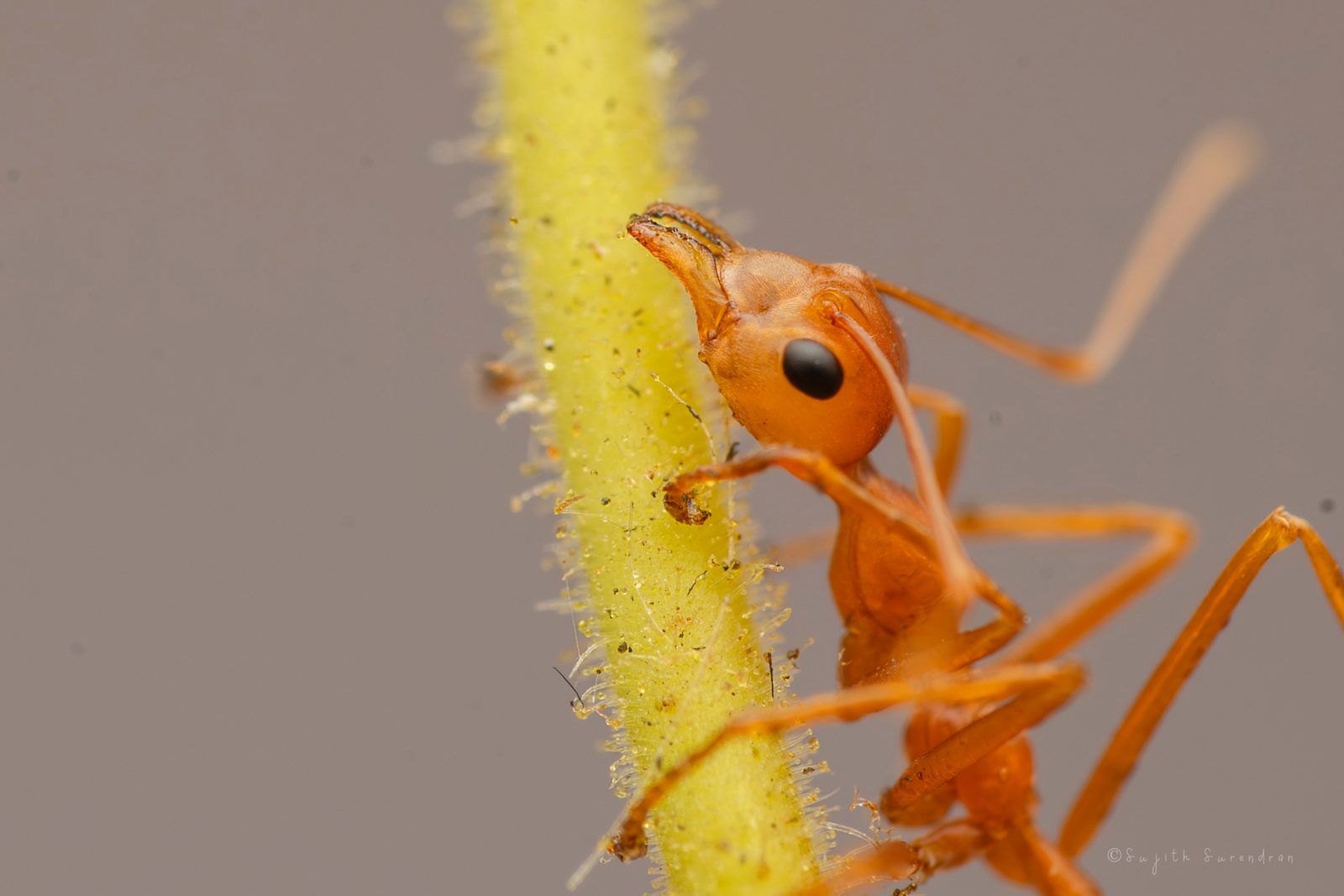
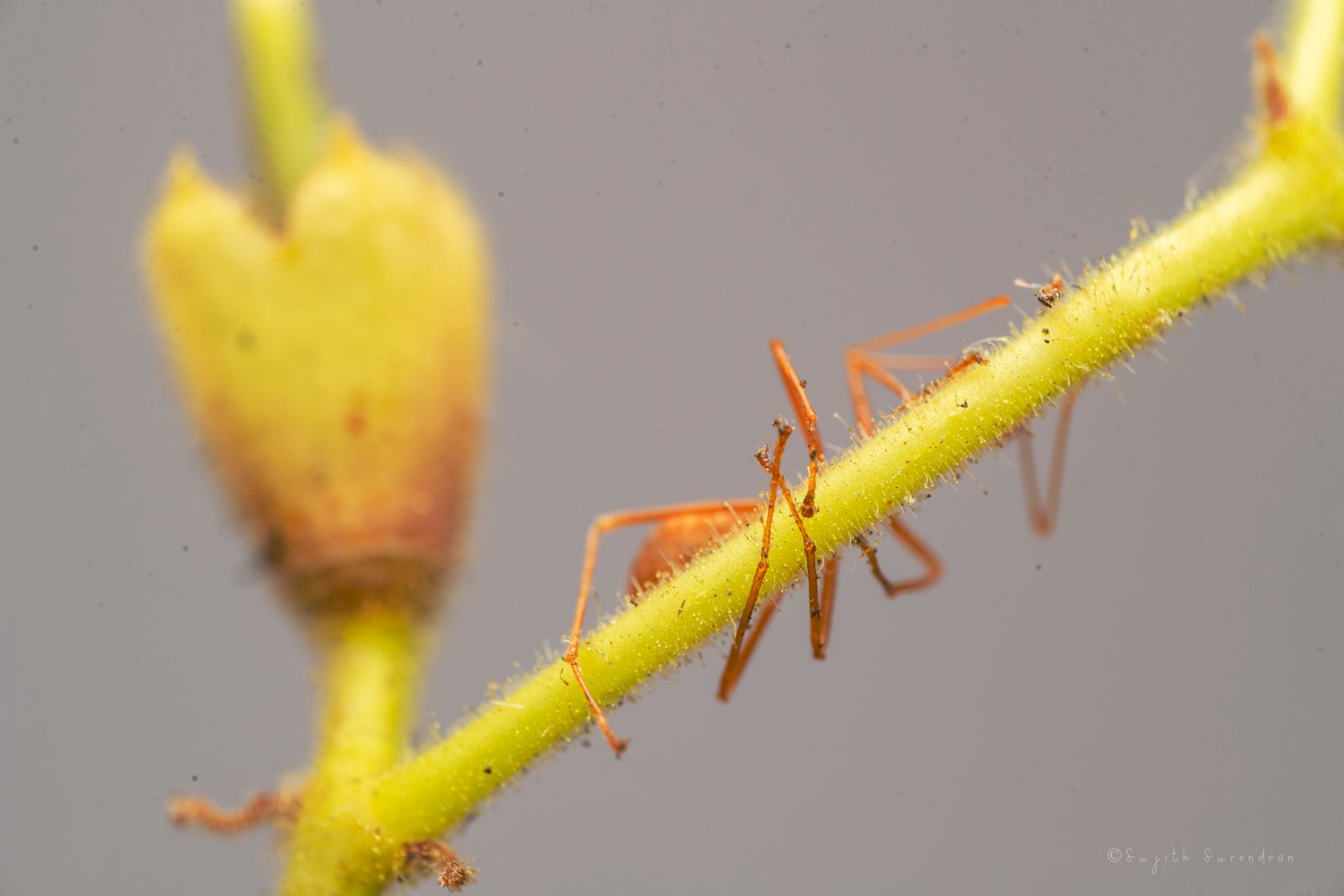
Knowing who to welcome is only half the battle; the tree must also keep thieves away. Ants living on the trunk are eager to steal the nectar without pollinating the flowers. To stop them, the tree sets sticky traps around the floral stems. Any crawling insect attempting to raid the flowers gets stuck fast and cannot reach the nectar, often perishing on the stems.
The natural world is filled with strategies like this, proving that plants are far from being passive; they manipulate their surroundings with incredible precision to grow, survive and spread.